News
You booked a floating resort. How much space does it actually give you?
Passenger space ratios offer a useful comparison—but they cannot predict whether you’ll find a pool chair.
By Patrick Karsh, Founder, Lounge Frog ·
Page updated October 2026.
Thousands of passengers can share a very large ship. That is why total size is only the start of the space conversation.
Compare space per passenger
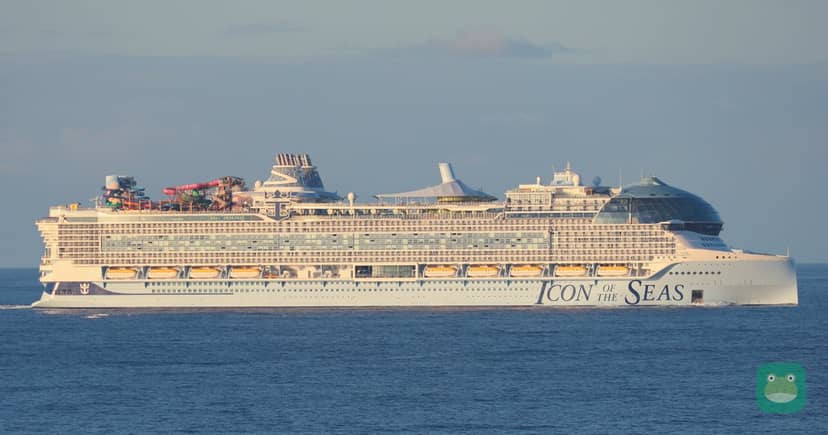
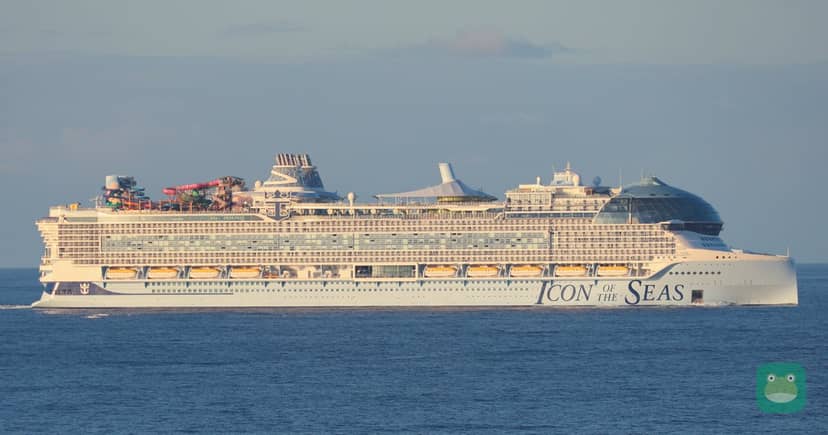
Cruise Frog calculates passenger space ratio as gross tonnage divided by the catalog's passenger capacity. Carnival Jubilee has a ratio of 35.1; Icon of the Seas, 44.3; Oceania Vista, 56.5; and Silver Nova, 75.1.
Those figures compare enclosed ship volume per listed guest, not square feet of usable floor area. Gross tonnage is a volume-based measure. Actual occupancy and the capacity convention used also affect how closely the ratio resembles a particular sailing.
Add the deck score
Jubilee scores 3 for pools and decks; Icon scores 4; Vista and Silver Nova score 5. That gives the space comparison a second editorial signal.
But neither figure measures pool-chair availability, queue length, or how crowded a particular venue becomes. A generous ratio can include space passengers cannot use.
The verdict
Use space ratio to shortlist ships, then inspect the deck plans and cabin location. If open space matters more than headline attractions, put it near the top of your comparison. Do not turn a volume ratio into a promise of an empty sun deck.
The denominator deserves attention
A passenger figure is not a live count of the people aboard. The ship's listed capacity may be based on one occupancy convention, while another source uses a different one. That is why a space ratio should always be read with the source figures in view.
The ratios here use the figures currently stored in Cruise Frog. They are useful for comparing those catalog entries, but they should not be treated as a precise forecast of personal space on a sold-out sailing. More guests in additional berths can change the experience without changing the hull.
Look where you plan to spend your time
A ship can have generous cabins and a busy pool area. Another can have modest cabins and public spaces that work well for the way you travel. Whole-ship volume does not separate those possibilities.
Open the deck plan and find the pool, the dining venues, the theater and your cabin. Think about the places you expect to use on a sea day. If you spend little time at the pool, a pool-deck rating may matter less than the dining score. If you plan to spend every afternoon outside, the order could be reversed.
The point is to replace a vague promise of “space” with specific questions. What areas are open to your fare category? Which require a reservation? Which carry an extra charge? The ratio cannot answer those questions, and this article has not measured them for a particular sailing.
A larger number can justify taking a closer look. It cannot justify a claim that passengers on a lower-ratio ship will necessarily be uncomfortable or unable to find a seat.
How to read these scores
These are a snapshot of the site's editorial ratings checked on October 12, 2026, not verified passenger-review averages or a new onboard inspection. Overall scores average the rated categories and are rounded to one decimal place. They do not establish current prices, measured queue times or the experience on every departure. Check the linked profiles for the current scores.
Related reading
See how Lounge Frog ratings work, then compare the linked profiles and the Cruise Frog ship directory.
Photo: Corey Seeman / Wikimedia Commons, CC BY-SA 4.0. License: CC BY-SA 4.0. Image cropped for display; the adapted photo retains its source license.
Written and checked to our editorial standards. Scores follow our methodology. Join the discussion below.



.jpg)