Aircraft
Boom Overture explained: speed, routes, airline agreements and the path to service
The planned supersonic airliner, explained for travelers: projected flight times, airline commitments, Symphony engines, and what must happen before service.
By Patrick Karsh, Founder, Lounge Frog ·
Page updated October 2026.
What Overture could change for a passenger
Boom Overture is a proposed supersonic airliner with a simple appeal: a much shorter long-distance flight. I am excited about that prospect. Before choosing a ticket, though, I would want to understand the route, the fare, and the experience the airline is actually selling.
As of October 14, 2026, Overture remains in development. Its advertised performance and cabin features are Boom's targets. This guide explains those plans and the milestones that separate them from passenger service.
The aircraft and its projected routes
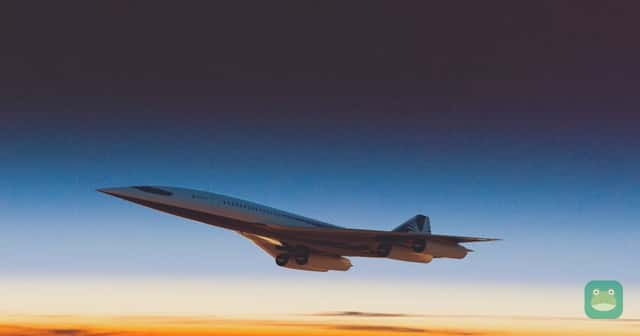
Boom's current specifications list 60 to 80 passengers, Mach 1.7 cruise, a 60,000-foot cruise altitude, and 4,250 nautical miles of range. The company describes an all-premium cabin and aims for fares comparable to today's business class.
Its route examples include New York to London in three hours and 40 minutes, Paris to Washington in four hours and 20 minutes, and Tokyo to Honolulu in three hours and 50 minutes. These are company projections. They are not published airline schedules.
The passenger calculation is broader than cruise speed. I would compare departure and arrival airports, local times, connection options, and the total journey. An attractive nonstop schedule could make the speed especially valuable. A poorly timed connection could consume some of the gain.
Airline agreements need careful reading
American's 2022 announcement described an agreement for up to 20 aircraft, with options for another 40. It paid a non-refundable deposit on the initial 20. Delivery remains subject to operating, performance, safety, and other contractual requirements.
United's 2021 agreement covers 15 aircraft, subject to safety, operating, and sustainability requirements, with options for 35 more.
Those commitments are meaningful evidence of airline interest. An option is still different from an initial purchase commitment, and neither is a delivered aircraft. Historical launch targets in those announcements should not be treated as guaranteed service dates.
The engine is a central milestone
Overture is intended to use Symphony, Boom's developing supersonic engine. The company's December 2025 update said prototype-core testing was planned to begin in 2026. A planned test date is not evidence that the full program has been completed.
Symphony shares a core with Boom's Superpower natural-gas turbine. Boom intends future turbine operating experience and revenue to support the airliner program. Those expectations need to be assessed through the results the company releases.
I would watch propulsion progress closely. It is fundamental to the aircraft's performance, reliability, and cost of operation.
Ocean speed and overland speed differ
Boom's Boomless Cruise concept uses Mach cutoff: under suitable atmospheric conditions, the sonic boom bends away from the ground. Boom describes typical target speeds of Mach 1.1 to 1.2 for this mode, with up to Mach 1.3 in suitable conditions.
That differs from the Mach 1.7 ocean-cruise target. It also does not provide regulatory permission by itself. The FAA's current authorization guidance still requires special authorization for civil supersonic test flights over US land. The agency is developing new rules.
A route map therefore needs more explanation than a line between two cities. Geography, weather, operating permissions, and airline decisions all shape the possible service.
What still needs to come together
Boom completed construction of its Greensboro Superfactory in June 2024. The advertised first-line capacity of 33 aircraft a year is a production goal. A completed factory building is one step toward manufacturing, rather than proof of current deliveries.
Aircraft testing, certification, production, and airline preparation remain central to the path into service. For passengers, I would also want confirmed cabin details, fares, baggage rules, and change policies.
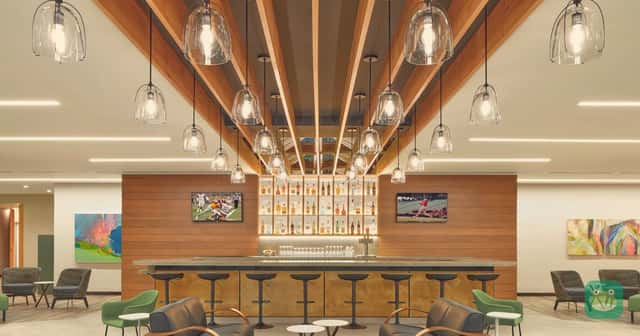
Lounge access deserves a separate check. An all-premium cabin does not itself establish a lounge benefit. That will depend on the airline and the ticket it sells.
I am rooting for Overture. My case for supporting Boom explains why. The milestone that will matter most to travelers is a certified aircraft operating a dependable schedule, with a fare and experience they can evaluate.
Written and checked to our editorial standards. Scores follow our methodology. Join the discussion below.