Aircraft
I miss Concorde. I want Boom to make supersonic passenger travel real again.
I miss Concorde's speed and ambition. Here's what I want from a successor—and why I'm rooting for Boom to bring supersonic passenger travel back.
By Patrick Karsh, Founder, Lounge Frog ·
Page updated October 2026.
Concorde still feels like unfinished business
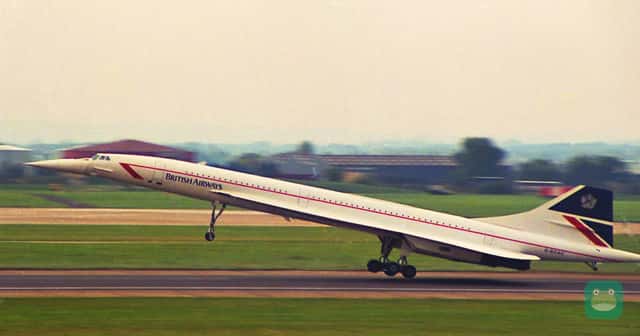
I miss Concorde. I miss a passenger airplane that could make an Atlantic crossing in roughly the time it takes to watch a long movie. I miss the sharp nose, the delta wing, and the sense that an airline timetable could contain something extraordinary.
The part that stays with me is the capability. Faster travel was available, then it disappeared from passenger service. That feels like an unfinished story. I want Boom Supersonic to write the next chapter.
British Airways' Concorde history puts a typical London-to-New York crossing at a little under three and a half hours. Its final scheduled Concorde passenger flight arrived from JFK on October 24, 2003. For a new generation of travelers, that speed belongs to history books and museum exhibits. I would love to see it on a departure board.
Speed changes what a trip can be
A shorter flight changes the choices around it. It can leave room for dinner after arrival, make a short visit feel less dominated by travel, or reduce the amount of a working week spent in transit. The benefit continues after the aircraft reaches the gate.
That is what I find compelling about supersonic travel. A passenger could pay for a different relationship with distance. Crossing the Atlantic might feel more like a manageable part of a day.
I care about comfortable travel. I want a useful lounge, a good seat, and a smooth airport experience. Building Lounge Frog reflects that interest. But even a great journey consumes time. The possibility of making the flight itself much shorter is something I want aviation to pursue.
Admiring Concorde means taking the next aircraft seriously
Concorde's appeal does not erase the demands of operating it. BA's published specifications describe a 100-seat aircraft cruising at Mach 2, with four engines and a narrow fuselage. Its beauty came with an unusual set of engineering and operating choices.
A successor has to earn its place in a different world. Airlines need an aircraft they can maintain and operate reliably. Passengers need a fare they can justify. People around airports deserve serious attention to noise. Fuel use and emissions have to be part of the discussion, too.
Those questions make the project interesting. I want faster passenger travel to return with a business and an operating model that can last. A celebrated first flight would be wonderful. A dependable flight a traveler can book years later would mean much more.
Boom gives the hope a specific airplane
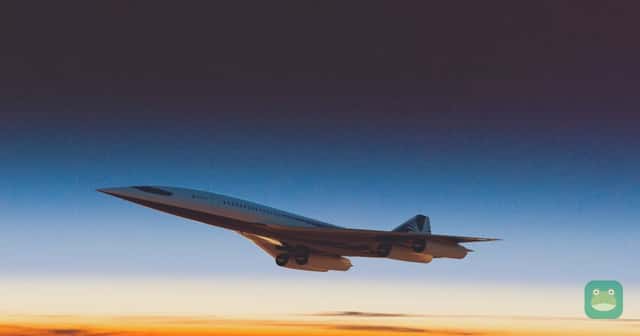
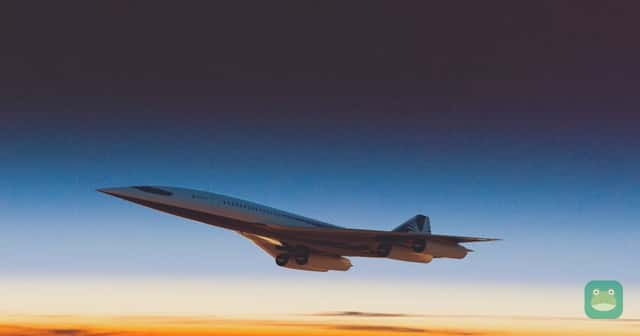
Boom's proposed passenger aircraft is Overture. Its target cruise speed is Mach 1.7, and the company projects New York to London in three hours and 40 minutes. That is a development estimate, rather than an airline schedule.
It is enough to explain my interest. Here is a company trying to put a supersonic aircraft back into passenger service. I want that effort to succeed.
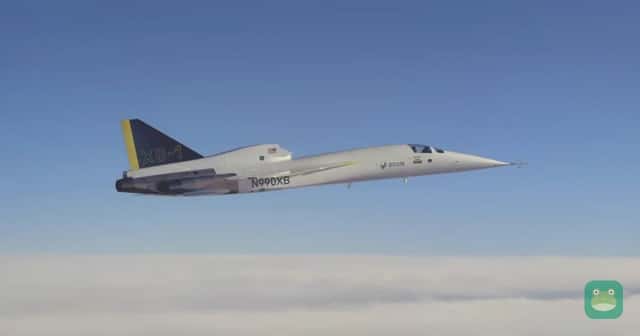
The completed work matters as well. Boom's XB-1 test record shows the demonstrator exceeding Mach 1 in January 2025. XB-1 is a separate aircraft from Overture, so that milestone does not settle the airliner's future. It does give the story a real flight to build on.
The return I am rooting for
I want the eventual passenger experience to justify the excitement. That means clear fares, usable schedules, and a cabin suited to the journey. I would also want honest information about ticket flexibility and lounge access; speed alone cannot answer those questions.
Most of all, I want the engineering to carry through to regular service. Engine testing, aircraft certification, production, and airline preparation deserve as much attention as the renderings.
Our Overture guide explores those practical details. This piece is about why I care in the first place.
I miss Concorde because it made extraordinary speed part of civilian life. I am rooting for Boom because I want that possibility back. Someday, I would like to stop describing supersonic passenger travel in the past tense.
Photo credit: Concorde, Heathrow 1987 by Phillip Capper, licensed under CC BY 2.0. Cropped, with the Lounge Frog badge added.
Written and checked to our editorial standards. Scores follow our methodology. Join the discussion below.