Emirates Group net profit falls 66% to $1 billion as fuel costs and disruption hit earnings
Emirates Group's April–September 2026 net profit dropped sharply as regional disruption and fuel costs weighed on results.
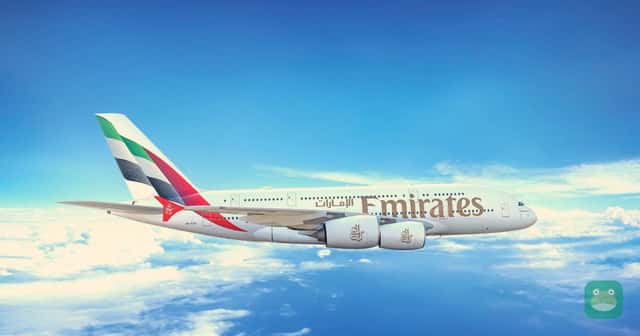
Emirates Group reported net profit of AED 3.6 billion, or about US$1.0 billion, for April–September 2026, down 66% year over year. Revenue fell 12% to AED 66.2 billion. The November 5 results cover the first half of its 2026–27 financial year.
The Group includes Emirates airline and dnata. The airline alone earned US$903 million after tax; Group profit before tax was US$1.1 billion. The company attributed the decline to regional disruption and higher fuel costs.
The six-month comparison#
Last year's official half-year financial highlights provide the comparison below. Both columns cover April through September; the figures are in UAE dirhams.
| Measure | April–September 2025 | April–September 2026 |
|---|---|---|
| Group net profit | AED 10.6 billion | AED 3.6 billion |
| Group revenue | AED 75.4 billion | AED 66.2 billion |
| Emirates passengers | 27.8 million | 21.8 million |
| Emirates seat occupancy | 79.5% | 72.0% |
Sources: 2025 highlights and 2026 results. Net profit means profit after tax.
Source: Emirates Group 2025 highlights, Emirates Group 2026 results
Show the numbers
| Year | Net profit |
|---|---|
| 2025 | 10.6 |
| 2026 | 3.6 |
The earlier reporting period set a high benchmark. Emirates Group's 2025 release recorded growth in revenue, net profit and earnings before interest, taxes, depreciation and amortization, known as EBITDA. Its net profit margin was 14%, meaning that roughly 14 dirhams of each 100 dirhams in revenue became after-tax profit. Those historical figures help explain the scale of this year's reversal.
Passenger count and seat occupancy measure different things. The count records how many people flew. Seat occupancy measures the share of available passenger capacity used, weighted by distance. A lower count can reflect a smaller schedule; lower occupancy also points to less traffic relative to the capacity offered.
Fuel pressure reached beyond the flying schedule#
The airline's fuel costs rose 60% before hedging. Gains of AED 7.1 billion limited the net increase to 13%, Emirates said. Source: Emirates Group.
Fuel hedging uses financial arrangements to reduce exposure to price swings. It can soften a cost shock without removing it. The gap between the reported increase before hedging and the increase afterward shows why the distinction is important when comparing airline costs.
There was an early warning in the Group's annual results published in May. Those figures covered the year through March 31, 2026. Management said military activity disrupted Gulf aviation on February 28, near the end of that reporting period. The annual announcement therefore captured a much shorter initial disruption than the six months covered by the new release.
At that year-end, the Group reported AED 59.6 billion in cash assets and annual net profit of AED 21.0 billion. It also said its fuel hedging extended through 2028–29 and that aircraft deliveries and cabin upgrades would continue. Those were the starting conditions for the current financial year, rather than a promise about the eventual half-year outcome.
Our October report on Emirates and Qatar Airways' recovery covered executive comments about trading conditions. A strong week or a recovery in the schedule can coexist with weaker results across an earlier six-month period. Travelers should keep the reporting dates in view when comparing those accounts.
What passengers should check#
For an upcoming booking, the most useful details remain the operating flight, the aircraft and the fare conditions. A financial result alone cannot tell a traveler which seat will be installed on a particular departure or what an individual ticket will cost.
There are concrete product changes to check. In its October 30 Durban announcement, Emirates scheduled the A350 for daily flights EK775 and EK776 from March 1, 2027, introducing Premium Economy on that route. Our Durban A350 guide explains the change. A traveler comparing departures around that date should check the cabin shown for the actual flight.
Lounge eligibility needs a separate check. Emirates' published lounge rules list Premium Economy and Business Class Special under paid access in Dubai. Business Class Saver, Flex and Flex Plus include Business Class lounge access. Skywards status can provide a separate entitlement, subject to the stated conditions.
The same rules page currently says the First Class lounge in Dubai's Concourse C is closed and directs customers to Concourse B. That is a specific facility notice, rather than evidence that the financial results changed lounge benefits.
Check the airline's current notices and your booking before departure. Use Lounge Frog's Emirates guide and Dubai airport directory to plan the airport part of the trip. The earnings release provides a view of business performance; the ticket and operating notices provide the details needed for the journey.
Cite this article
Patrick Karsh. “Emirates Group net profit falls 66% to $1 billion as fuel costs and disruption hit earnings.” Lounge Frog. Published 2026-11-05. https://www.loungefrog.com/news/emirates-group-half-year-profit-falls-66-percent-november-2026
Wikipedia citation
{{cite news |title=Emirates Group net profit falls 66% to $1 billion as fuel costs and disruption hit earnings |url=https://www.loungefrog.com/news/emirates-group-half-year-profit-falls-66-percent-november-2026 |work=Lounge Frog |author=Patrick Karsh |date=2026-11-05 |language=en}}CSL-JSON for reference managers
{
  "id": "https://www.loungefrog.com/news/emirates-group-half-year-profit-falls-66-percent-november-2026",
  "type": "article-newspaper",
  "title": "Emirates Group net profit falls 66% to $1 billion as fuel costs and disruption hit earnings",
  "URL": "https://www.loungefrog.com/news/emirates-group-half-year-profit-falls-66-percent-november-2026",
  "container-title": "Lounge Frog",
  "language": "en",
  "author": [
    {
      "literal": "Patrick Karsh"
    }
  ],
  "issued": {
    "date-parts": [
      [
        2026,
        11,
        5
      ]
    ]
  }
}Citations identify this article and its publication date. Assess the reporting and its linked sources before using it as evidence.