Airlines
What is going wrong at Air India? Cabin delays, losses and a test of trust
Patrick Karsh examines Air India's delayed cabin upgrades, financial pressure and safety scrutiny—and what travelers should check.
By Patrick Karsh, Founder, Lounge Frog ·
Page updated October 2026.
Air India has reached a difficult stage in its rebuild. The airline is asking travelers to believe in a better future while parts of its long-haul fleet still await new cabins. Its financial losses remain substantial. Fuel costs are adding pressure, and serious safety events have made clear communication essential.
My view is that Air India's biggest challenge is delivering a consistent experience. A transformation plan matters only when a passenger can see its results on the flight they actually book. As of October 14, 2026, the evidence shows real improvements alongside a long list of unfinished work.
The cabin upgrade is taking too long
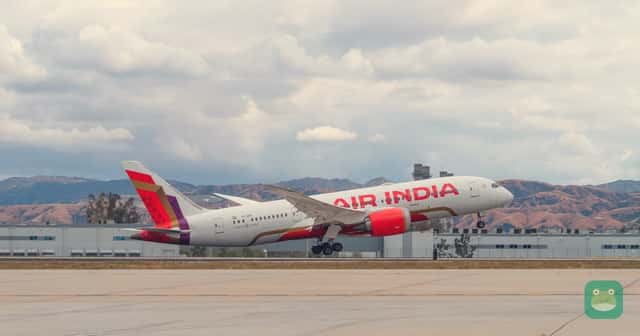
Air India unveiled its first fully retrofitted legacy Boeing 787-8 on April 19, 2026. It gained new seats and entertainment systems, with business suites, premium economy and economy. That is a meaningful upgrade. But it was the first aircraft in a 26-plane program, with completion targeted for 2027. Air India's April announcement
The timetable for older Boeing 777s stretches further. Air India's August 2025 update put the start of work on 13 legacy 777-300ERs in early 2027, with completion aimed for October 2028. The airline attributed the shifted schedule to supply chain delays. That remains a published target, not a guarantee. Air India's retrofit timetable
This creates a basic problem for the brand: its newest cabin does not describe every flight. A passenger buying business class needs to know which seat they are purchasing. The aircraft type, cabin layout and scheduled equipment matter more than a promotional photograph.
Reliability needs sustained attention
The same August update described upgrades to avionics and other critical components across the legacy 787 fleet. Air India said these were intended to improve reliability and reduce disruptions. It also planned heavy scheduled maintenance for seven aircraft. Air India's reliability program
That plan underlines how much of a turnaround happens outside the cabin. Travelers need an aircraft that operates as planned and clear help when it does not.
I would judge progress through current, route-specific performance and how the airline handles disruptions. A dated maintenance plan cannot establish today's delay rate, and this article does not claim it does.
The financial pressure is substantial
Singapore Airlines, which holds a 25.1% stake in Air India, recorded S$945.2 million as its share of Air India's losses for the year ended March 31, 2026. That figure is Singapore Airlines' accounting share, not Air India's total loss. Singapore Airlines' audited financial statements, page 12
Its July update said the share of Air India losses increased by S$42 million year over year in the quarter ended June 30. The same report credited Air India with progress in fleet renewal, service and customer satisfaction. Both points deserve attention: improvement is happening, but the business still faces serious financial pressure. Singapore Airlines' July business update
Large losses raise the stakes for execution. The airline must improve its product while building a business that can support the spending required.
Fuel charges make value harder to defend
On October 8, Air India announced revised fuel surcharges for new bookings from October 9. Its published one-way charges include US$215 for North America, US$210 for Australia and US$135 for Europe, including the UK. The airline linked the revision to rising aviation fuel prices and geopolitical pressures. Air India's surcharge announcement
Fuel is an external cost problem, and the surcharge is one component of the fare. Travelers should compare the final ticket price, not assume the total price rose by the full surcharge amount. Our North America surcharge guide explains the published charges.
For Air India, higher costs make a consistent product even more important. Customers paying a substantial fare want confidence in what they will receive.
Trust requires facts and accountability
The fatal AI171 accident near Ahmedabad on June 12, 2025, demands careful reporting and respect for those affected. AAIB's June 2026 statement said evidence analysis was continuing. No public final investigation report was available in the official material reviewed for this article on October 14, 2026. AAIB's interim statement, AAIB's published reports
A separate August 4, 2026, Phuket–Delhi incident injured 20 passengers and four cabin crew after an approximately 300-foot altitude variation. The aircraft stabilized and landed safely, according to the Ministry of Civil Aviation. Its August statement warned against drawing conclusions from isolated information. Ministry statement on AI2379
These events should not be used to invent causes or declare every Air India flight unsafe. Rebuilding trust requires transparent findings and action on the lessons investigators establish.
What needs to change
Air India announced Tewolde Gebremariam's appointment as CEO and managing director on August 5, succeeding Campbell Wilson. The announcement emphasized reliability, modern cabins and profitable growth. Those are the right priorities; passengers will judge the delivery. Air India's leadership announcement
Before booking, check the exact flight's seat map and scheduled aircraft, compare the full fare, and read the change and refund terms. Equipment can change, so check again close to departure.
I want Air India to succeed. Its next chapter needs completed upgrades, dependable operations and clear customer support. That is how a promised turnaround becomes an airline people choose with confidence.
Written and checked to our editorial standards. Scores follow our methodology. Join the discussion below.