Airlines
Stop calling it a five-star airline. Show us the scores.
A perfect editorial average needs context: who scored it, which categories count, and what is missing?
By Patrick Karsh, Founder, Lounge Frog ·
Page updated October 2026.
Five stars sound decisive. They are only informative when you know whose stars they are and what they measure.
Our current leaders
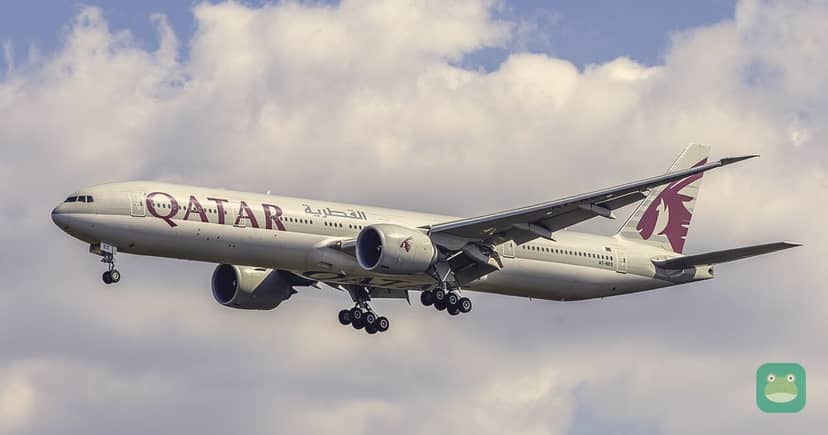
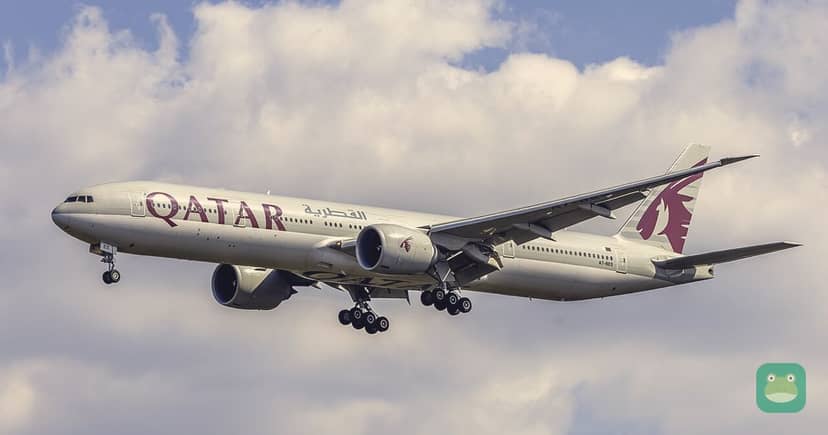
Qatar Airways and Singapore Airlines each have a 5.0 in Lounge Frog's five-category editorial system. All Nippon Airways follows at 4.8: four categories score 5 and drinks scores 4.
Emirates averages 4.6. Air France averages 4.4, with food and drinks at 5, and customer service, hospitality and on-time at 4.
These are selected comparisons, not a complete global league table.
A perfect score is not universal proof
Lounge Frog's stars are not an external award classification. This comparison does not audit marketing claims or reproduce another organization's rankings.
Five categories also leave substantial questions unanswered: seat quality, baggage fees, route coverage and the details of individual fares. The overall is an unweighted average of scored categories. It is not a guarantee that every cabin or flight delivers the same result.
The verdict
Ask for the category breakdown before accepting any headline rating—including ours. If your priority is dining, compare dining. If it is punctuality, distinguish an editorial on-time score from independently measured performance. A transparent rating is useful precisely because you can see its limits.
Ask what sits behind the average
A rounded overall can hide a category difference. ANA's 4.8 includes a drinks score of 4 and four scores of 5. Air France's 4.4 includes food and drinks scores of 5. If dining is your priority, the latter detail may be more useful than its position in a list sorted only by average.
A rating can also leave things unrated. None of the five categories used here directly scores the seat you will occupy. If you are choosing between two cabin products, you need another source of information.
Use a ranking for a specific decision
Write down your route, travel dates and cabin. Then decide which category you care about most. The airline-level scorecard can help you compare that category, while the flight details determine whether the option works at all.
Avoid turning a high score into an answer to a question it was never built to address. A hospitality score does not establish baggage policy. A food score does not guarantee the menu on a specific departure. An on-time editorial score is not a newly calculated punctuality rate.
Likewise, a lower overall is not proof that another traveler was wrong to enjoy an airline. Their route, seat, fare and priorities may differ from yours.
The best ratings invite scrutiny. You should be able to identify the categories, see the individual marks and understand how the average was formed. A star count without that context gives you little to work with.
These profiles make the current marks visible. Read them as a set of editorial judgments, then add the flight-specific facts before choosing a ticket.
How to read these scores
These are a snapshot of the site's editorial ratings checked on October 12, 2026, not verified passenger-review averages or a new onboard inspection. Overall scores average the rated categories and are rounded to one decimal place. They do not establish current prices, measured queue times or the experience on every departure. Check the linked profiles for the current scores.
Related reading
See how Lounge Frog ratings work, then compare the linked profiles and the Cruise Frog ship directory.
Photo: Acroterion / Wikimedia Commons, CC BY-SA 4.0. License: CC BY-SA 4.0. Image cropped for display; the adapted photo retains its source license.
Written and checked to our editorial standards. Scores follow our methodology. Join the discussion below.