Airbus expects Latin American airlines to need 2,720 new passenger aircraft over the next two decades, with replacement accounting for more deliveries than fleet expansion. The forecast points toward a region dominated by single-aisle flying.
The manufacturer published the figures in its Oct. 19 market outlook. For travelers, the useful question is how much of that expected demand translates into new routes and how much renews flights that already exist.
The numbers behind the headline
Airbus forecasts a commercial passenger fleet of 2,770 aircraft by 2045, up from 1,550. Of the projected new deliveries, 1,220 would support growth and 1,500 would replace older aircraft.
The company expects 2,520 single-aisle deliveries and 200 widebody deliveries. It projects annual origin-and-destination traffic growth of 3.7%, with domestic traffic growing faster than traffic within Latin America and the Caribbean.
These are Airbus projections. They describe expected market demand, rather than signed purchases or a guaranteed delivery schedule.
The distinction explains why the delivery total is much larger than the net fleet increase. Replacement aircraft are counted as deliveries even when they take over the job of an older jet.
What growth could change for a trip
A larger fleet could support more frequencies, additional nonstop services, or more capacity on busy routes. Each would affect travel differently.
Extra departure times can make a connection easier to build. A new nonstop can remove an airport transfer and reduce total journey time. More seats on an existing departure may provide additional booking options without changing when the flight operates.
None of those outcomes follows automatically from a regional total. An individual airline still needs to choose where to place its aircraft and publish a schedule. Airport capacity and the airline's own operating plans also matter.
For travelers comparing future destinations, the forecast is useful background. It is not a reason to postpone a booking in expectation of a route that has not been announced.
Replacement can matter without adding a destination
Fleet renewal can change the airplane used on an established route. That may affect the cabin layout, onboard equipment, or the number of seats offered.
A newer jet does not settle every comfort question. Check the operating airline's seat map and confirmed features rather than assuming a model name guarantees a particular experience.
It is also worth comparing the full trip. A convenient departure on an older aircraft may suit you better than a newer plane with a difficult connection. The choice depends on your priorities and the actual products for sale.
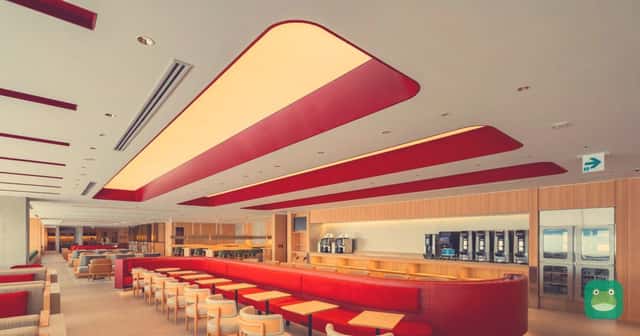
For airport planning, research the locations you will use on Lounge Frog. Lounge access is attached to the applicable ticket or access program, so it should be assessed separately from the fleet forecast.
Airbus's outlook offers a clear planning theme: most expected demand is for single-aisle aircraft, and much of it replaces existing capacity. The next useful evidence will be airline orders, delivery plans, and schedules that show where those planes are going.
Until those details emerge, treat the projection as a view of the market's direction, with individual travel choices grounded in confirmed flights.