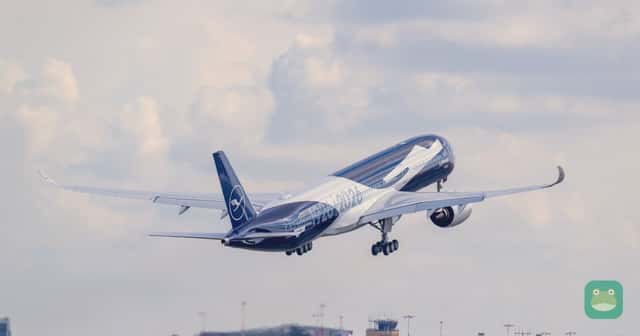
A corridor that just closed
For most of the past decade the fastest line between Western Europe and India, Southeast Asia or Australia ran across Saudi Arabia. Iranian airspace was already off the table for many airlines after the war began in February, and Iraq and Syria before that. Saudi Arabia was the corridor that kept Europe-to-Asia flying on schedule.
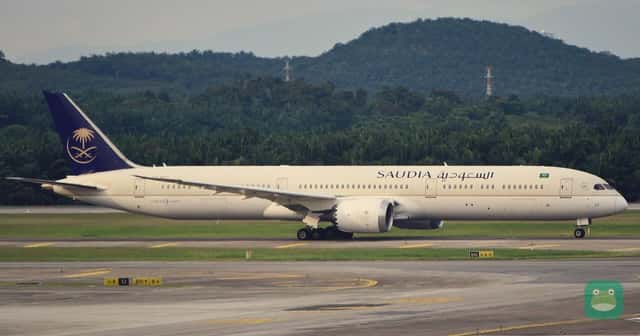
In the second week of October it stopped being one. After Houthi missiles destroyed a Saudia Airbus at Riyadh on October 8 and struck a departure hall on October 10, the Houthi spokesman named Saudi airports and airspace as targets. Safe Airspace, which tracks conflict-zone warnings, moved Saudi Arabia to its highest level, Do Not Fly, and recommends avoiding overflights and using the northern route via Turkey, Azerbaijan and the Caspian Sea.
What each regulator says
The advisories differ, which is why your airline's routing may differ from a competitor's.
EASA's bulletin CZIB 2026-09-R1, in force from October 9 to November 16, tells European operators not to fly at any altitude within two defined boxes of the Jeddah flight information region, one in the southeast and one in the northwest, and to use caution across the rest. Germany's NOTAM, valid to November 10, recommends its carriers stay out of the region south of 26 degrees north entirely, a line that puts Riyadh, Jeddah and everything south of them off limits. France's notice, valid to October 28, asks its airlines to avoid most of the region except northern and western routes above 32,000 feet, and allows Jeddah as an alternate. Canada tells its operators not to enter the region at all through October 23.
The FAA's notice, valid October 11 to December 10, is softer: US operators are advised to exercise caution at all altitudes because of military activity and GPS interference. In practice no US airline overflies Saudi Arabia on a scheduled route anyway, so the FAA's text matters most to cargo carriers.
Saudi airspace itself remains formally open. The country has not issued a closure. The detours are the airlines' and regulators' choice, driven by the insurers who price the risk.
What it does to your flight
Three things happen when the corridor closes. The flight gets longer, often by 45 minutes to two hours depending on the city pair, because the northern route over Turkey and the Caspian is a wider arc. It burns more fuel, which is why flydubai has told customers that some of its routes now take longer and why Gulf hubs that feed Europe-to-Asia traffic see schedule padding. And on the longest routes, the extra time can push a flight past the crew duty limits or the aircraft's range with full payload, which is when airlines add a technical stop, cap passenger numbers or cancel.
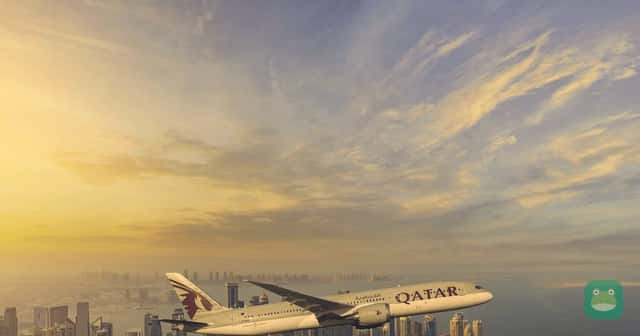
Add the EASA advice to stay off the Gulf's own waters except for takeoff and landing, and a Doha or Dubai departure to Europe may route north over Iran's border region or dog-leg through Kuwait and Iraq rather than straight across the Gulf. Qatar Airways has schedule adjustments running from September 16 through March 23, 2027, according to Wego, and that is the reason.
Who is most affected
Airlines flying Europe to India and Southeast Asia without a Gulf stop feel it first: Lufthansa, Air France, KLM, British Airways, Virgin Atlantic, Air India and Vistara's successor services, plus Singapore Airlines and Thai on their European legs. Australia-bound flights that transit the Gulf for fuel are affected less, because the airport stop is still legal; it is the overflight that is discouraged.
The practical signs to watch on your booking are a departure time that has moved earlier, a new intermediate stop, or an aircraft swap to a longer-range type. Any of those is the detour showing up in your itinerary.
How long this lasts
The EASA bulletin runs to November 16 and the FAA notice to December 10, and both can be extended or lifted early. The deciding factor is not a date but whether Houthi fire at Saudi airports stops. Egypt has offered Saudi Arabia military support against the Houthis, and the Saudi coalition has promised a "serious response" of its own, neither of which suggests a quick return to quiet skies. Until then, add an hour to any Europe-Asia connection and give yourself a generous layover at the hub. For the airline-by-airline picture, see our Riyadh piece and the wider Middle East disruption guide.