Roundup
Day passes in 2026: when paying at the door beats a card's lounge access
Lounge day passes run $50 to $100. Here is the break-even against $395 to $895 annual fees, and the times a pass wins even if you hold the card: wrong terminal, a full lounge, or guests.
By Patrick Karsh, Founder, Lounge Frog ·
Details checked as recently as September 2026.
At a glance
- lounges
- 14
- airports
- 12
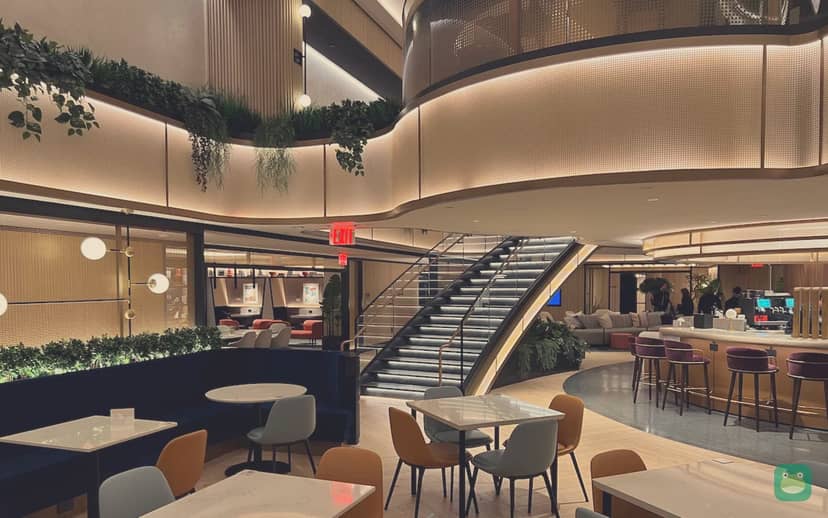
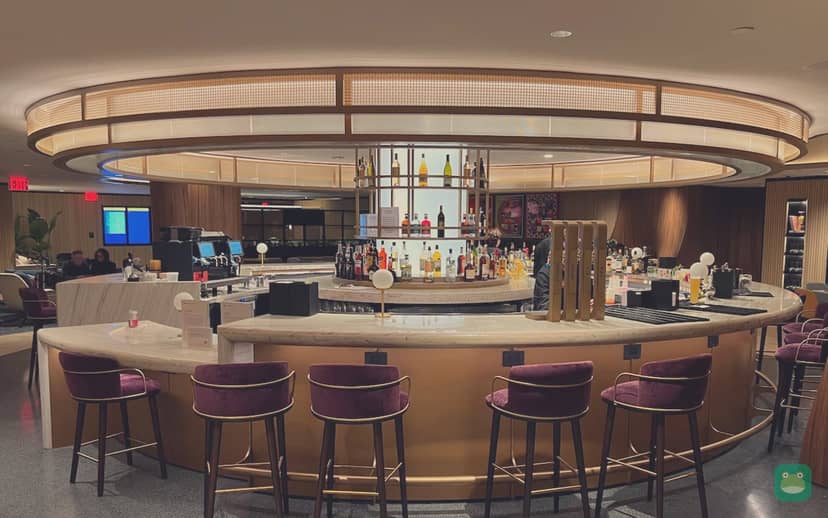
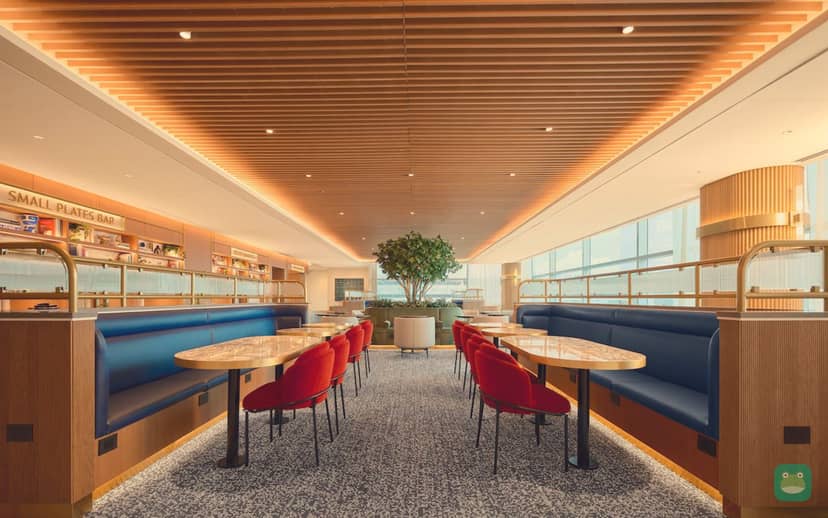
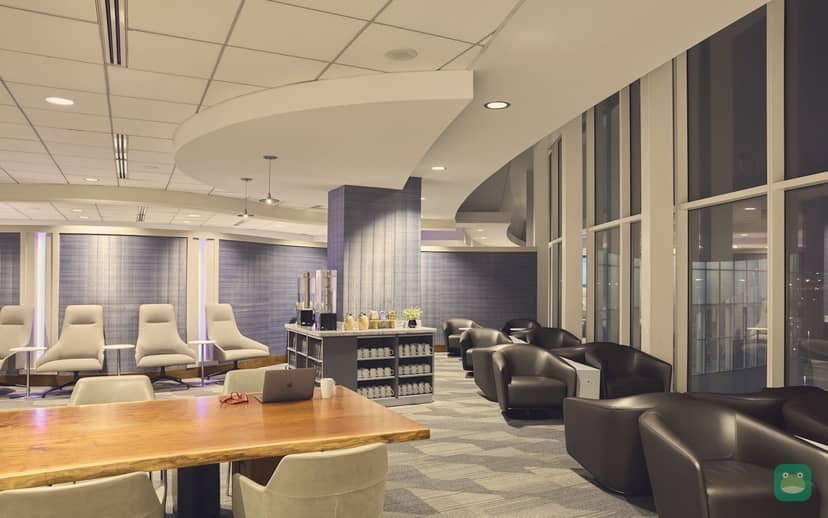
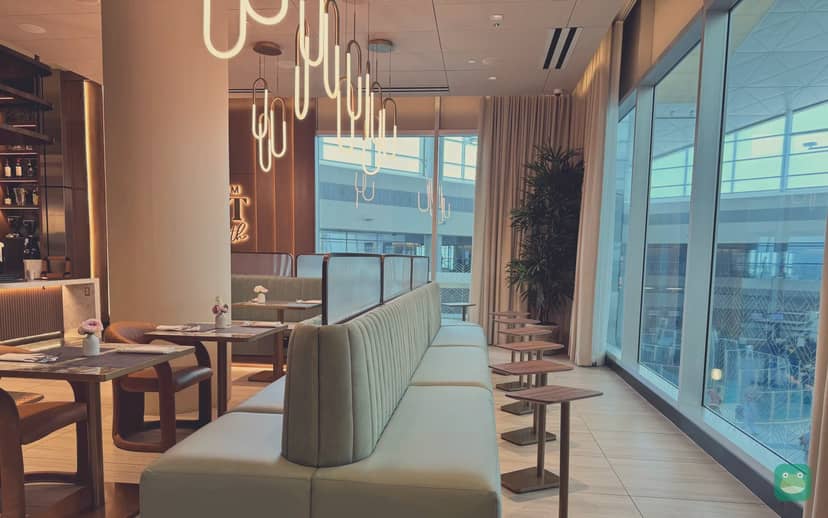
Chase Sapphire Lounge by The Club
LGA · Terminal B · New York
4.8/5 overall$100 day pass for non-cardholders, space permitting. Sapphire Reserve: 2 guests free, then $27.
Opened 2024. Rated 4.8/5 across 14 measures. 2 showers. Sapphire Reserve, J.P. Morgan Reserve and Ritz-Carlton cardholders: up to 2 guests free, then $27 each.
Get in with: Priority Pass, Sapphire Lounge by The Club
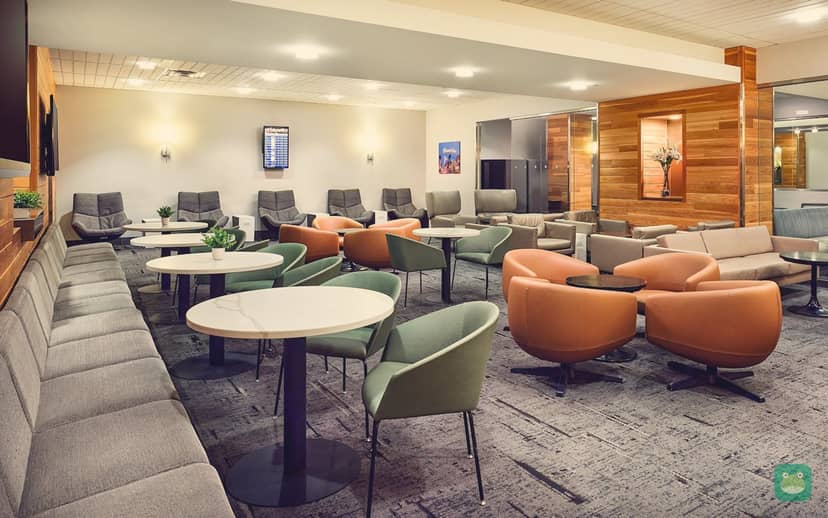
Chase Sapphire Lounge by The Club
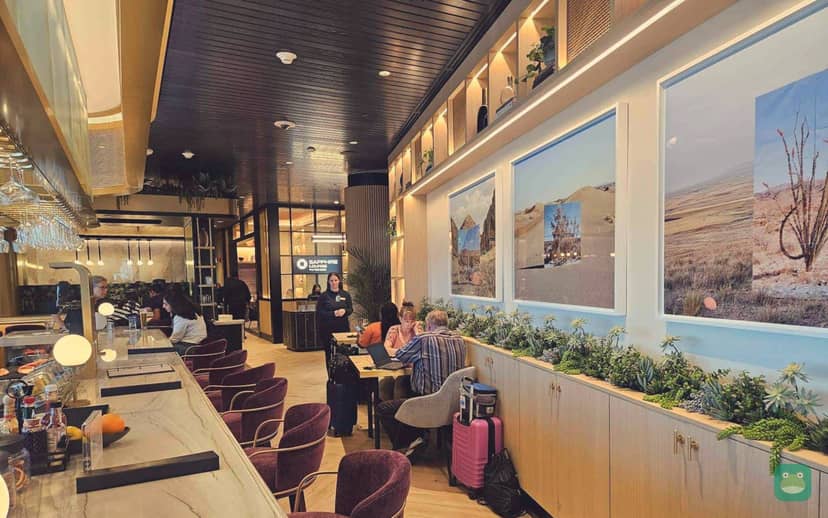
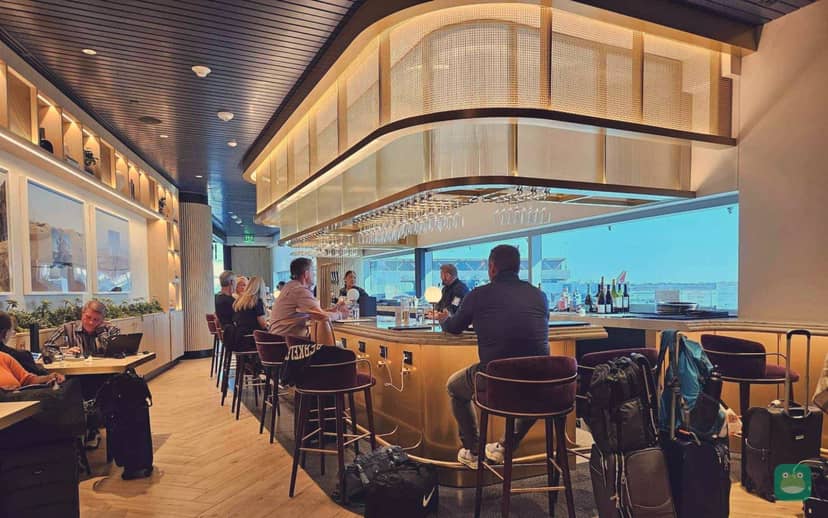
PHX · Terminal 4 · Phoenix
4.8/5 overall$100 day pass. Terminal 4 only; no airside link to Terminal 3, so your card is no help there.
Opened 2025. Rated 4.8/5 across 13 measures. Sapphire Reserve cardholders: 2 guests free, then $27 each.
Get in with: Priority Pass, Sapphire Lounge by The Club
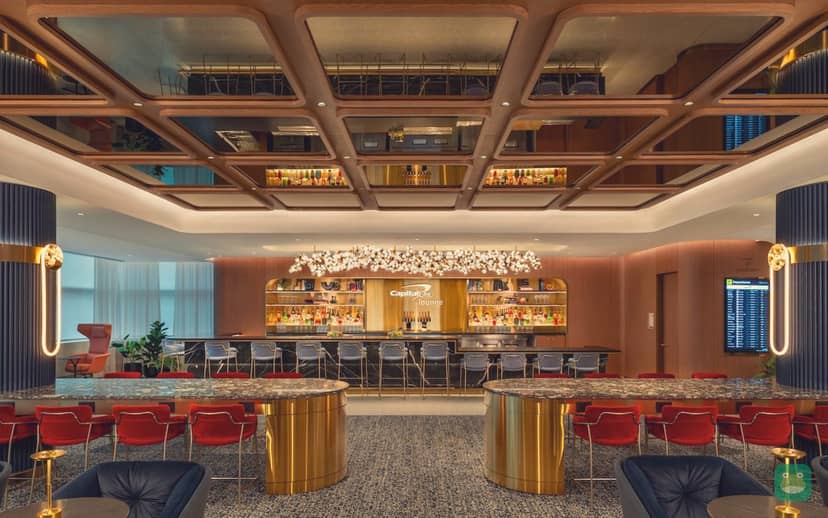
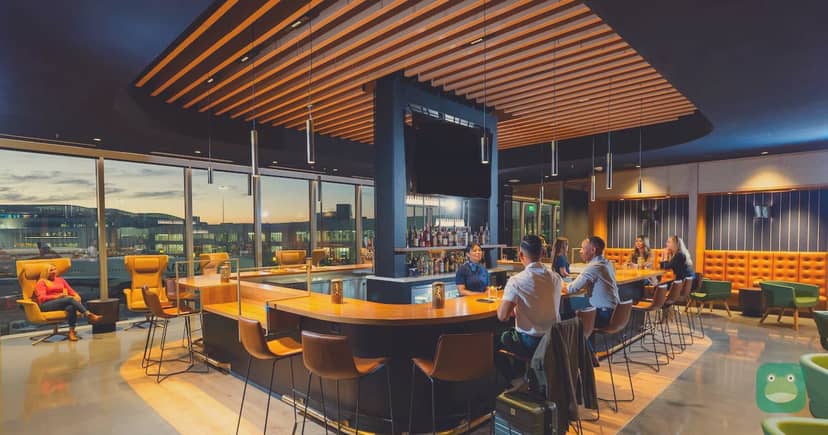
Capital One Lounge
JFK · Terminal 4 · New York
4.7/5 overall$90 for non-cardholders when space allows. Venture X guests $45 each unless you spend $75k a year.
Opened 2025. Rated 4.7/5 across 14 measures. 2 showers. Venture X and Venture X Business cardholders: guests $45 each (children $25), free with $75,000 annual spend.
Get in with: Capital One Lounge
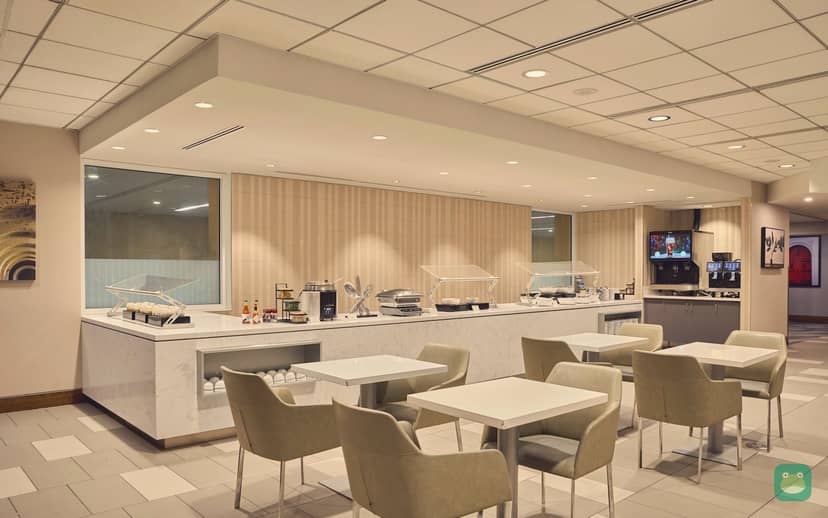
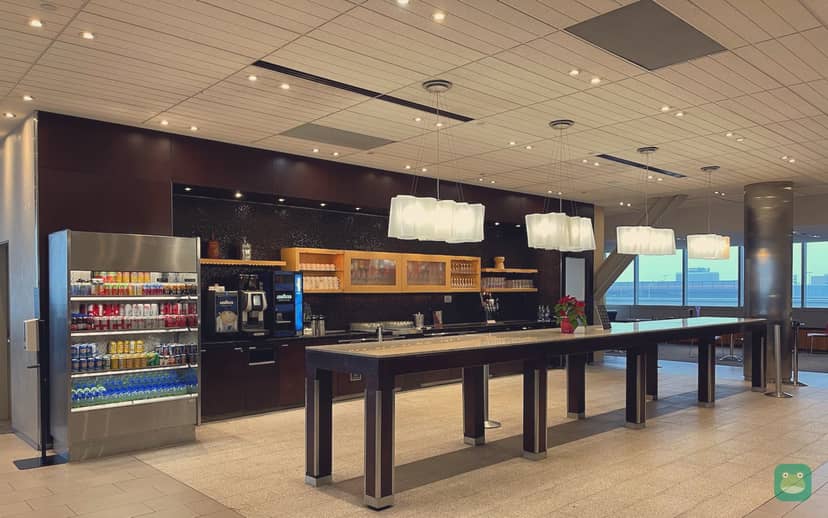
American Airlines Admirals Club (D)
DFW · Terminal D · Dallas
4.8/5 overall$79 or 7,900 miles for 24 hours at any Admirals Club; same-day AA or oneworld boarding pass.
Rated 4.8/5 across 14 measures. 4 showers. Members: immediate family or up to 2 guests.
Get in with: Admirals Club, oneworld Sapphire/Emerald Lounge Access
American Airlines Admirals Club (B/C)
PHL · Terminal B · Philadelphia
4.8/5 overall$79 day pass with a same-day AA or oneworld ticket. Rates 4.8.
Rated 4.8/5 across 13 measures. Members: immediate family or up to 2 guests. Business/first on a qualifying international itinerary: 1 guest.
Get in with: Admirals Club, oneworld Sapphire/Emerald Lounge Access
United Club (C, mezzanine)
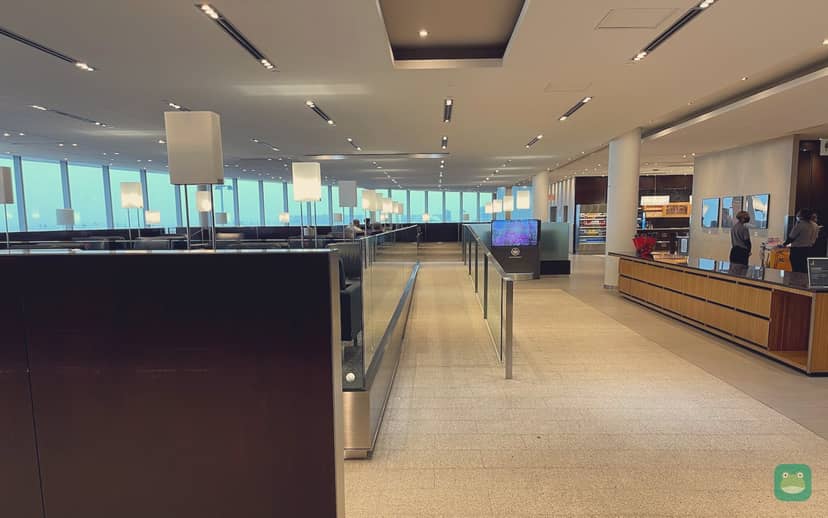
EWR · Terminal C · Newark
4.9/5 overall$59 one-time pass, this airport only, up to 3 hours before departure. No bank card opens it.
Opened 2022. Rated 4.9/5 across 14 measures. 6 showers. Members: up to 2 guests, or spouse/partner and children under 21. One-time passes $59.
Get in with: Star Alliance Gold Lounge Access, United Club
Alaska Lounge
SFO · Terminal 1 · San Francisco
3.6/5 overall$65 day pass, this lounge only. Priority Pass members pay $15 instead.
Opened 2024. Rated 3.6/5 across 13 measures. Members: up to 2 guests or immediate family. Day passes sold when space allows.
Get in with: Alaska Lounge, oneworld Sapphire/Emerald Lounge Access, Priority Pass
The Club ATL
ATL · Concourse F · Atlanta
4.7/5 overall$50 Club Pass; book 6+ hours ahead or buy at the door. Entry up to 3 hours before departure.
Opened 2013. Rated 4.7/5 across 14 measures. 2 showers. Priority Pass and LoungeKey members: entry up to 2.5 hours before departure, guests per card allowance; access may be…
Get in with: DragonPass, LoungeKey, Priority Pass, The Club
The Club LAS (E)
LAS · Terminal 3 · Las Vegas
4.8/5 overall$60 walk-up when space allows; showers $20 extra. Rates 4.8.
Rated 4.8/5 across 14 measures. 2 showers. Priority Pass, LoungeKey and DragonPass members: guests per the card's allowance; infants under 2 free.
Get in with: DragonPass, LoungeKey, Priority Pass, The Club
Air Canada Maple Leaf Lounge (Domestic)
YYZ · Terminal 1 · Toronto
4.5/5 overallCA$49-79 add-on for eligible fares, bought at least 24 hours ahead, not at the airport.
Rated 4.5/5 across 14 measures. 4 showers. Business class passengers: no guests.
Get in with: Maple Leaf Lounge, Star Alliance Gold Lounge Access
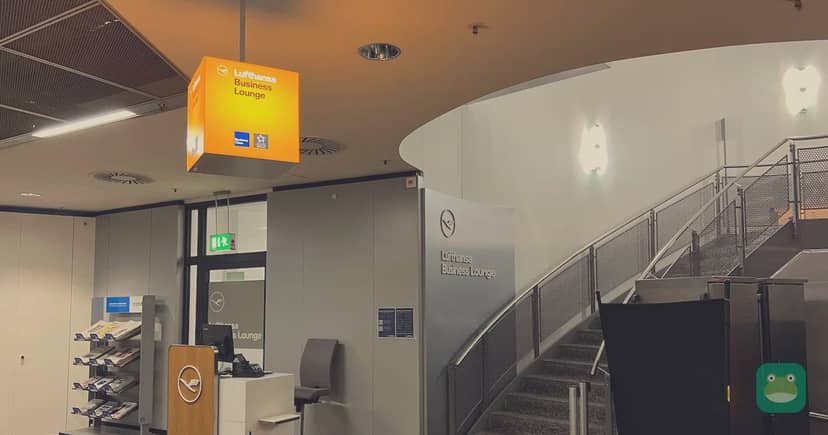
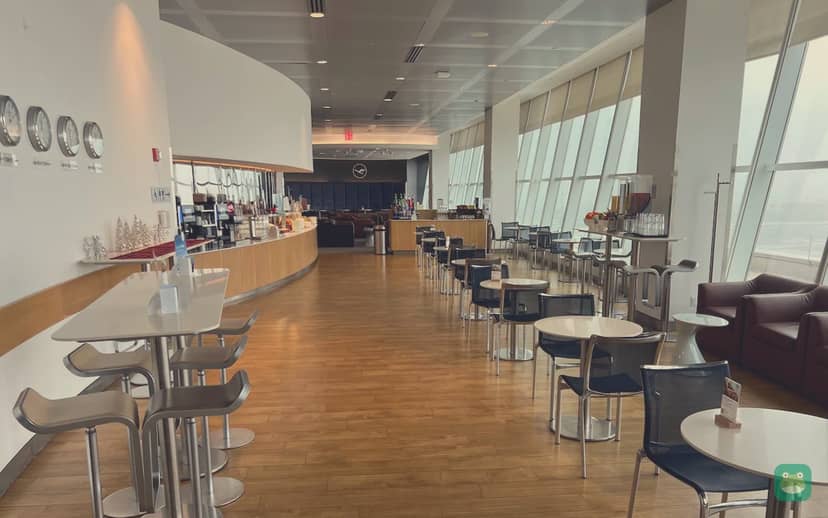
Lufthansa Business Lounge (B)
FRA · Terminal 1 (B) · Frankfurt
4.8/5 overallPre-booked online from €49 at Frankfurt with any same-day boarding pass; sales may stop at peak.
Rated 4.8/5 across 14 measures. 4 showers. Business class passengers: no guests. Star Alliance Gold and Senator: 1 guest on a Star Alliance flight the same day.
Get in with: Business Lounge, Star Alliance Gold Lounge Access
Lufthansa Business Lounge
JFK · Terminal 1 · New York
3.9/5 overallLufthansa sells online access from $39 at JFK; any airline's same-day boarding pass.
Rated 3.9/5 across 14 measures. 2 showers. Business class passengers: no guests. Star Alliance Gold and Senator: 1 guest on a Star Alliance flight the same day.
Get in with: Business Lounge, Priority Pass, Star Alliance Gold Lounge Access
If you fly four or five times a year, the honest answer to "which lounge card should I get?" is often "none of them." A $795 card has to save you $795 before it starts paying, and most occasional travelers never get close on lounge visits alone. A day pass costs between about $50 and $100, and you only buy it on the days you actually want it.
We already have a piece on how to buy a single lounge visit, with every route and booking quirk. This one is about the arithmetic: when paying at the door beats carrying a card, and the specific situations where it wins even if you already have the card.
The prices you are comparing
Day passes, as published in October 2026:
- Chase Sapphire Lounge: $100, only when the lounge is selling and has room. Since August 15 this is the only way in without a Sapphire Reserve-family card.
- Capital One Lounge: $90 for non-cardholders, space permitting.
- Admirals Club: $79 or 7,900 miles, unchanged when American raised membership prices on August 23. Good for 24 hours at any Admirals Club, with a same-day American or oneworld boarding pass.
- Alaska Lounge: $65, valid at one lounge only, same-day Alaska or oneworld ticket. First class passengers get a $35 rate.
- United Club: $59 one-time pass, single airport, up to three hours before departure unless connecting, capacity-controlled.
- The Club: $50 Club Pass at most locations, booked online at least six hours out or bought at the door.
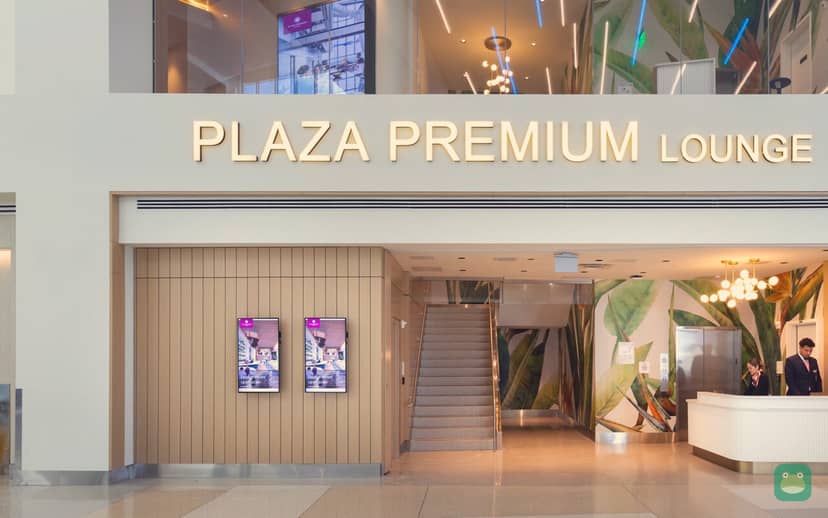
- Plaza Premium: varies by airport. Orlando Terminal C lists walk-up from $75 for three hours; the Plaza Premium First at DFW runs roughly $115 to $125 depending on the source.
- Priority Pass Standard: not a day pass, but the cheapest membership route: $99 a year plus $35 per visit, and $35 per guest.
Then there is the airline-sold version, which most people never see. Air Canada lets passengers on Latitude, Comfort, Flex and Premium Economy fares add Maple Leaf Lounge access for CA$49 to CA$79, at booking or up to 24 hours before the trip, never at the airport. Lufthansa sells its lounges online from €39 in Germany, €49 at Frankfurt and Munich, and $39 at JFK, Boston and Detroit, with a same-day boarding pass on any airline. British Airways sells nothing, for cash or Avios. Delta and Amex do not sell entry at all.
The annual fees on the other side: Sapphire Reserve $795, Amex Platinum $895, Venture X $395, the Citi AAdvantage Executive $695 (up from $595 at each cardholder's renewal after August 23), and the United Club Infinite $695.
The break-even, done honestly
The lazy version divides the fee by the day-pass price. The Sapphire Reserve at $795 equals eight Sapphire Lounge passes at $100. That number is wrong in two directions.
It is too generous to the card, because nobody who buys passes buys $100 ones every time. On a United itinerary you pay $59; at an airport with The Club you pay $50. A traveler whose average visit would cost $60 needs thirteen visits a year to match $795.
It is too harsh on the card, because the fee buys more than lounges. The Reserve's $300 travel credit is close to cash for anyone who travels at all, which takes the effective cost to about $495. That is still eight $60 visits. I would not count the softer credits (dining, subscriptions, hotels) unless you were already spending that money.
Run the same test on the others:
- Venture X: $395, minus a $300 travel credit, minus 10,000 anniversary miles, leaves close to zero. For anyone who uses the credit, the lounge access is nearly free, and a day pass cannot beat free. This is the one premium card the occasional traveler should usually keep, though adding a partner as an authorized user now costs $125 a year for lounge access.
- Citi AAdvantage Executive: $695 for an Admirals Club membership that American now sells for $1,400 on its own. Against $79 day passes you need nine American departures with time to kill. If you fly American twice a year, pay the $79.
- Amex Platinum: $895. Lounge access alone rarely justifies it for an occasional traveler, and since Centurion Lounges cannot be bought, the honest comparison is against whatever pass is sold in the same terminal.
- Priority Pass Standard: $99 plus $35 a visit. Two visits cost $169; two $50 Club Passes cost $100. Against $50 passes it needs seven visits to break even, against $79 passes about three. Past six or seven visits, Standard Plus at $329 with ten included is the better plan.
My rule of thumb: if you will use a lounge fewer than six times a year, pay per visit and keep your money, unless you would hold the Venture X anyway.
When a pass beats the card you already have
This is the more interesting part, because it applies to people who have done the card math and won.
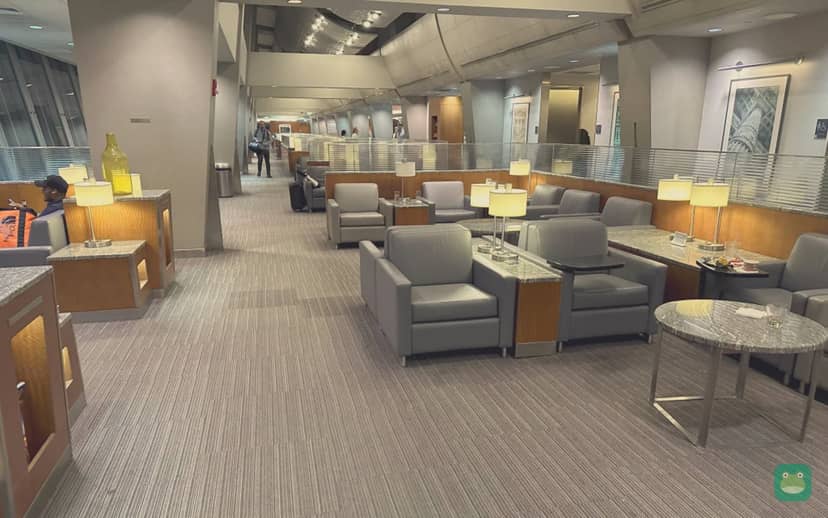
You are on the wrong side of the airport. A card gives you a network, not the lounge near your gate. At Phoenix, the Sapphire Lounge (4.8) sits in Terminal 4 near D11, and Terminals 3 and 4 do not connect airside. Flying from Terminal 3, your Reserve is worth nothing that day. At Newark, the best room in the airport is the United Club on the C mezzanine near C123, rated 4.9 with six showers, and no bank card opens it. If you are already airside on a United flight with two hours to spare, $59 gets you in.
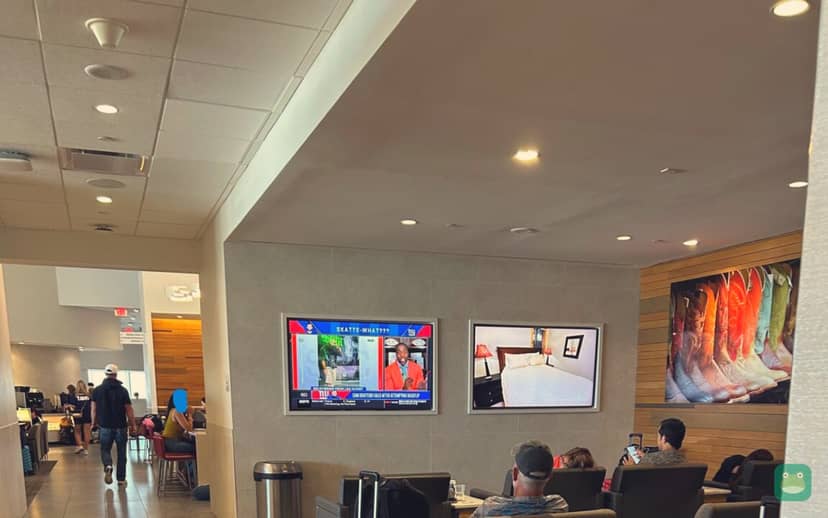
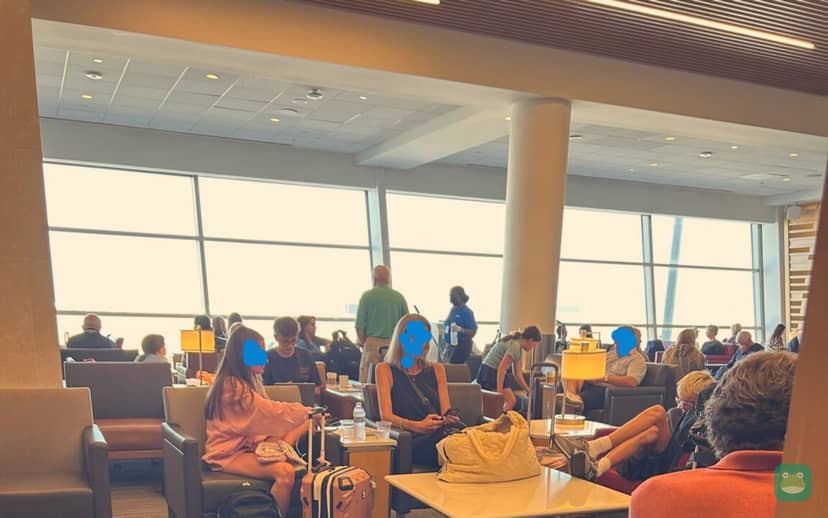
The card lounge is full. The Sapphire Lounges were crowded enough that Chase cited it when it cut Priority Pass access in August. If the line outside your free lounge is long, a pass to the airline club next door can get you a seat sooner. At DFW, the Admirals Club in Terminal D near D24 rates 4.8 with four showers, and on an American connection one $79 pass covers the Admirals Club at both ends of the day.
You are travelling with people. Guest rules have tightened, and they change the math faster than fees do. Since February, Venture X holders pay $45 per adult guest at Capital One lounges unless they spend $75,000 a year on the card, and $35 per guest at Priority Pass lounges on the personal card. Centurion guests are $50. With two adult guests, a Venture X holder at a Capital One lounge pays $90, exactly what a non-cardholder pays for one pass. If there is a lounge from The Club in the same terminal, two $50 Club Passes for your companions cost about the same and may come with a shorter line. The exception is the Sapphire Reserve, which still allows two guests free and charges $27 after that, the most generous family policy left at a US bank lounge.
You fly the airline, not the bank. On a long day on one carrier, the airline club is often better placed than any card lounge, and its agents can rebook you. At Philadelphia, the Admirals Club in the B/C connector rates 4.8. The Sapphire Lounge there no longer takes Priority Pass, so for an American passenger without a Reserve, $79 is the obvious answer.
You bought the fare anyway. If you are already on a Latitude or Flex fare with Air Canada, the add-on is cheaper than any US day pass, and the Toronto domestic Maple Leaf Lounge rates 4.5 with four showers. Lufthansa's €49 pass at Frankfurt opens the Business Lounge in B, rated 4.8. Passes are pre-booked online, and reports say Lufthansa stops selling them at peak times in Frankfurt and Munich.
When the pass is the wrong call
- When nothing sells entry. There is no Sky Club pass. If you fly Delta out of Atlanta or Minneapolis and want the airline's lounge, a pass is not an option.
- When you need a guarantee. Every pass above is sold subject to space. On a three-hour layover at peak time, a membership or a ticket-based entitlement is the only certainty.
- When the pass is narrower than it looks. Alaska passes are good for one lounge, one person, one day. At the SFO Alaska Lounge (3.6), a Priority Pass member pays a $15 fee instead of $65, so if you already hold Priority Pass, the day pass is the wrong purchase there.
How I would decide
Count last year's departures where you actually had time to sit down. Multiply by $60. If the number is below the card's fee after the credits you would really use, pay at the door. If it is above, get the card, and keep a day pass in reserve for the wrong terminal, the full lounge and the trip with three companions.
Prices change without notice, and passes depend on space on the day. Ratings here follow our methodology. For the membership side of the question, see whether Priority Pass is worth it and our comparison of the three bank cards.
Quick answers
Which lounge networks get you into these lounges?
Priority Pass opens 7 of the 14; Star Alliance Gold Lounge Access opens 4 of the 14; oneworld Sapphire/Emerald Lounge Access opens 3 of the 14. Each lounge's page lists every program and card that admits you.
Written and checked to our editorial standards. Scores follow our methodology. Something wrong? Tell us from any lounge page.