Your oneworld lounge visit has a cost, even when you do not pay at the door
An interview with oneworld executives explains the payments behind partner access. The public rules still decide whether travelers get in.
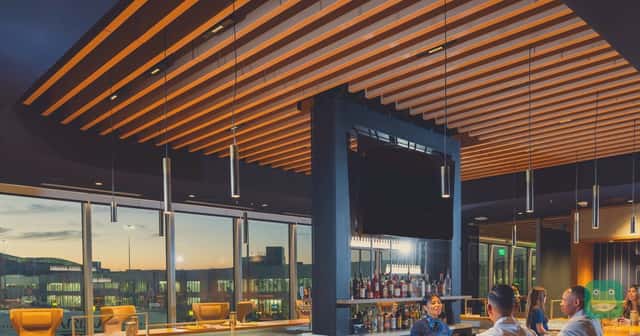
An airline lounge can feel like a free benefit when a boarding pass and status card open the door. Behind that visit, separate airlines may be providing the seat, recognizing the traveler and running the lounge. A new interview with oneworld executives brings those relationships into view, without publishing the full commercial terms.
The useful distinction for passengers is between the cost of delivering a benefit and the rules for claiming it. A lounge can be paid for hosting partner passengers while still limiting entry for a particular itinerary. Neither a bank card nor an alliance logo answers every access question.
What the interview establishes
In The Indian AvGeek's November 2 interview, oneworld executives Roger Blackburn and Gilbert Ott discuss the work needed to deliver shared benefits across separate companies. The published account describes compensation for a lounge that hosts an eligible passenger of another member. It does not provide a settlement price or a complete account of who pays in every case.
That is an important limit. There is no basis here for putting a dollar amount on an individual visit, or assuming every airline and contract uses the same arrangement. The interview also identifies airport space and sufficient member-airline activity as constraints on opening more lounges. Interest in a city is not an announced opening.
Travel writer @garyleff highlighted the discussion on X. His report notes a disagreement between accounts of which airline bears a status-based visit's cost. That uncertainty should stay visible rather than be reduced to a universal billing rule.
Three relationships to keep separate
| Role | What the traveler sees | What to check |
|---|---|---|
| Loyalty program | Status card | Recognized alliance tier |
| Operating airline | Flight and boarding pass | Eligibility for this itinerary |
| Lounge operator | Reception and facilities | Access rules and capacity |
This is a practical way to read an itinerary, not a diagram of a disclosed payment contract. If the three names differ, it is worth checking each before departure. A frequent flyer number can show the right tier while the flight itself falls outside the benefit.
The economics also help explain a tradeoff. Hosting more eligible passengers can produce revenue, but a room has a fixed number of seats. Extra demand can make a benefit harder to use unless capacity grows too. This is an operational observation, not evidence that a particular lounge is overcrowded or that a bank funds a specific expansion.
The published access policy still applies
Oneworld's public policy generally ties status-based entry to flights both marketed and operated by member airlines. Sapphire and Emerald have different lounge entitlements, and the policy contains airline, route and facility exceptions. Arrivals lounges are excluded from the general alliance benefit.
A paid lounge membership is another distinct product. As our membership explainer explains, buying a club membership does not turn the holder into an alliance elite. Guests also need their own eligibility check; see our guide to checking both boarding passes.
Before relying on a lounge, identify the exact facility, check the operating and marketing airlines, and read the exceptions attached to your credential. Allow enough time to reach a different lounge if the first choice cannot admit you. The commercial machinery matters to the airline; an accurate access check matters to your connection.