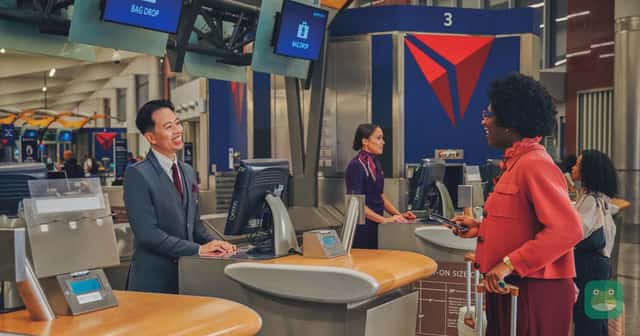
Some Delta passengers connecting in the United States can now leave their checked bags in the transfer system instead of collecting them and checking them again. The airline has expanded Seamless Baggage Transfer to two more Pacific routes.
Delta's Oct. 19 update adds Sydney–Los Angeles and Tokyo Haneda–Atlanta. For a traveler arriving after a long overnight flight, removing one baggage step could make the connection easier to manage.
What changes on arrival
According to Delta, passengers on the newly covered routes can proceed toward their connecting gate after completing required U.S. Customs and Border Protection and security procedures. They do not need to reclaim and recheck checked baggage unless selected for additional inspection.
The service already covers other listed routes through the airline's network and its Korean Air partnership. Delta says the program can save up to 25 minutes on average. That is the airline's estimate, not a guaranteed saving for an individual passenger.
The key distinction is between the bag process and the passenger process. Leaving a suitcase in the transfer system does not remove the need to follow arrival instructions, complete required checks, or reach the next gate on time.
Confirm the bag's destination at check-in
Before leaving the departure airport, ask whether your itinerary qualifies. Check the destination printed on the baggage tag and keep the receipt where you can find it.
This is particularly important if you have separate tickets, a changed connection, or a journey involving several airlines. The announcement names routes; it does not provide a blanket promise for every possible booking built around those flights.
Pack essential items in your carry-on so you can manage the connection without opening the checked bag. Keep travel documents, required medication, chargers, and items needed during a delay close at hand.
On arrival, follow the instructions given for your flight. If an agent directs you to a baggage inspection or another process, that instruction takes priority over an expectation formed before travel.
Treat the time saving as breathing room
A simpler bag transfer is useful, but it should not be the sole reason to choose a very short connection. Gate changes, arrival delays, and the passenger screening process can still consume time.
Compare the entire itinerary when booking. Consider how much walking is involved, whether your group needs assistance, and what later flight options exist if the connection fails.
Travelers planning a lounge visit should work from the time actually available after required arrival steps. Research facilities through Lounge Frog's Delta page, then confirm the lounge's location and your access before heading away from the gate.
Delta's update also discusses Touchless ID, App Bag Drop, and preferred Uber drop-off locations. Those are separate services with their own requirements. Do not assume that qualifying for one automatically enrolls you in another.
For the new baggage-transfer routes, the most valuable preparation is straightforward: confirm eligibility, verify the bag tag, and follow the arrival guidance. Skipping the recheck step can reduce effort without changing the need to plan a realistic connection. Keep the checked-bag receipt until the luggage is back in your hands at the final destination.