United is making a persuasive case that spending on the passenger experience can be good business. Under Scott Kirby, the airline has tied its ambitions to things travelers can recognize: better cabins, useful technology, and a broader choice of places to fly.
My view is that this deserves credit. A travel brand becomes stronger when people have a reason to choose it before they open a fare comparison. The important question is whether those reasons survive the actual trip.
This analysis uses United's published second-quarter results and product announcements available on October 20, 2026. It is not a report on third-quarter earnings. Our United Airlines guide provides the airline background.
The business case has substance
In its July 15 earnings release, United reported second-quarter revenue of $17.7 billion, up 16% from a year earlier. Capacity rose 3.5%, while revenue per available seat mile rose 12.1%. Premium revenue increased 16%, and contracted business revenue increased 27%.
Those figures suggest that the story went beyond adding flights. They are consistent with customers placing value on United's offering. They do not, by themselves, establish how much growth came from better seats, corporate demand, pricing, or any single management decision.
The same quarter produced $805 million in net income. Fuel expense rose 84% from a year earlier, so strong sales should not be mistaken for proof of improving profit margins. I find the resilience encouraging without needing to turn a difficult cost environment into an uncomplicated victory.
Investment passengers can actually recognize
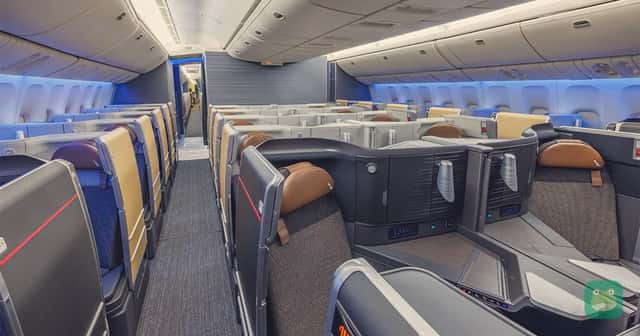
United's March fleet update described a substantial rebuilding effort since 2021: new aircraft, cabin retrofits, and replacement of smaller regional jets with larger aircraft. Those are expensive commitments with consequences well beyond a marketing campaign.
The appealing idea is consistency. A better seat is useful, but so are a bag bin that works, a screen that keeps a child occupied, and information that makes a connection less stressful. Together, those details can make an airline easier to choose again.
Our review of five United strengths looks at the passenger proposition. This is my broader judgment about why that proposition matters: repeated practical improvements are a stronger foundation for loyalty than a slogan.
Premium travel includes the airport
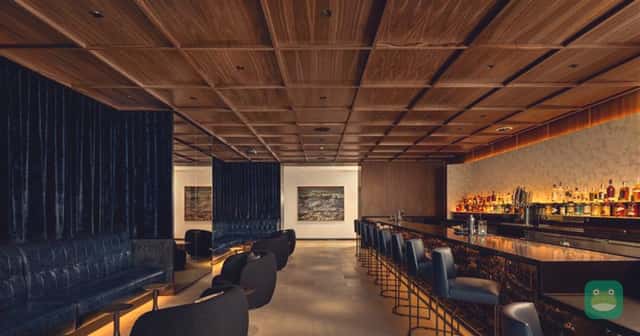
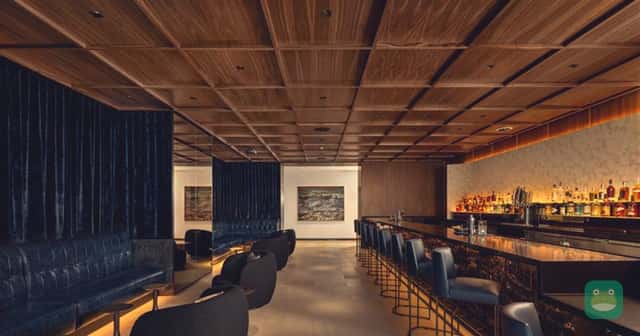
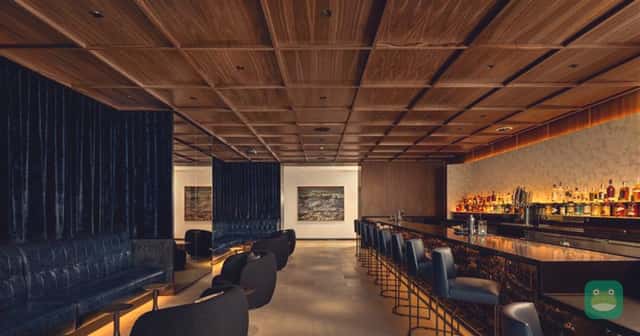
The cabin investment is complemented by work on the ground. United's Chicago Polaris lounge renovation reopened in April 2025 with nearly 25,000 square feet and more than 350 seats. That is a completed project, not a future opening being counted early.
For eligible passengers, a place to eat, work, or settle down can improve the trip before boarding. Our United Club and Polaris access explainer is worth reading before assuming a membership opens both doors.
The connection between the airport and aircraft is what makes the strategy interesting. Travelers experience a journey as a whole, even when airlines organize it into separate departments.
Credit the direction, then judge the trip
Kirby deserves credit for backing a clear product strategy. The work also belongs to the crews, airport teams, engineers, and other employees who deliver it. Leadership can fund and prioritize improvements; it cannot substitute for daily execution.
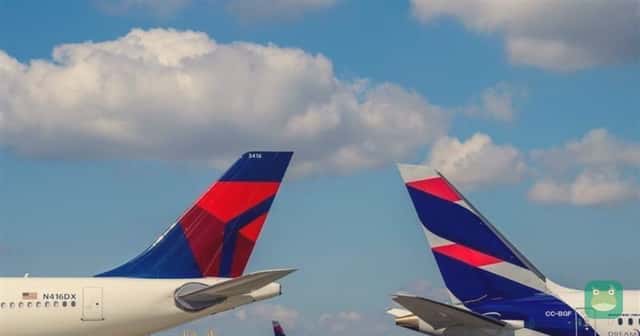
I would still compare the actual schedule, cabin, fare rules, and lounge eligibility before paying extra. Our United–Delta comparison helps frame that choice.
United has given travelers more tangible reasons to take it seriously. That is the most convincing positive verdict on this period under Kirby: a strategy you can evaluate through the trip itself, with real investments behind it.