A premium airline should have something useful to offer the person sitting in economy. That is why I find United's investment in connectivity and everyday cabin features one of the strongest parts of its strategy under Scott Kirby.
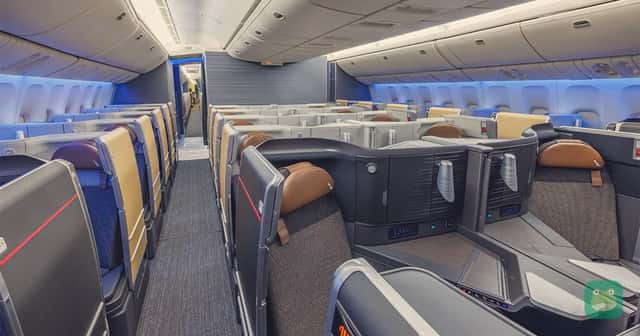
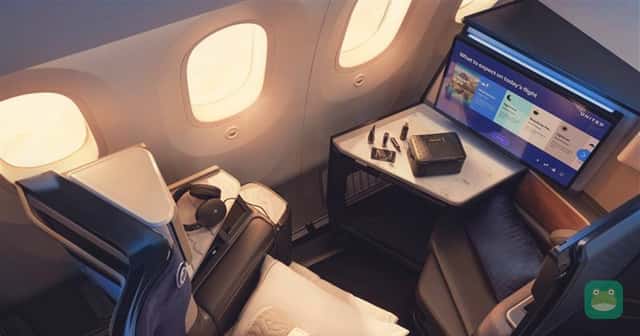
The newest suites attract attention, but an improvement that helps passengers throughout the aircraft has a different kind of reach. Working internet, a usable screen, and enough room for a carry-on can change an ordinary flight.
Our United Airlines guide covers the wider carrier. This analysis focuses on why the less glamorous parts of its product investment deserve credit.
Starlink gives the strategy a practical benefit
In its October 13 Guam update, United said Starlink was available on about 47% of its daily flights. The service is free for MileagePlus members in every cabin and supports more than one device.
That is a flight-share figure, not a claim that 47% of aircraft have been fitted. It also means availability remains incomplete. United's target to finish the rollout before the end of 2027 is still a target.
For a traveler, the appeal is straightforward. Internet can help with work, entertainment, or keeping in touch. Those benefits do not depend on buying the most expensive seat.
I would still check the assigned flight. Our Starlink booking guide explains why the login and aircraft matter. A fleet announcement cannot guarantee the equipment on your departure.
Guam shows why ordinary cabin upgrades count
The same October announcement said United had completed the replacement of its Guam-based 737-800 fleet with ten newer 737 MAX 8 aircraft. United described seatback entertainment, larger bins, USB charging, and Bluetooth connectivity among the features.
Only two of those Guam-based aircraft had completed Starlink installation at the time of that announcement. The fleet replacement and the Wi-Fi rollout are separate milestones.
This is a useful example of investment beyond a showcase long-haul suite. Passengers traveling around Guam and Micronesia can benefit from cabin improvements even if business class is never part of their budget.
Our Guam fleet report covers the announcement in more detail. My editorial point is that these changes are a meaningful way to earn repeat business.
Small improvements can reinforce each other
United's March product update described larger overhead bins, seatback screens, and app features including connection directions and United Club capacity information. Availability varies by aircraft, airport, and feature, so these should not be read as universal promises.
What I like is the attention to common frustrations. A passenger trying to make a connection needs clear directions. Someone deciding where to wait needs useful information. A family needs entertainment that does not require balancing every device on a tray table.
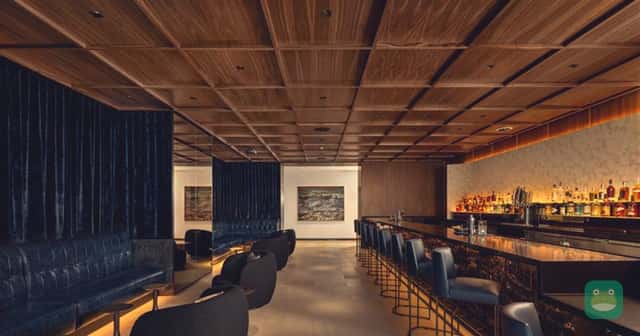
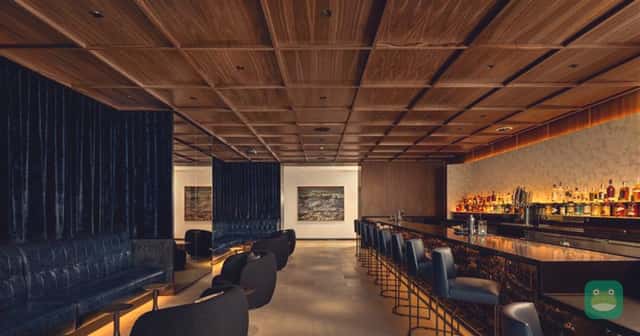
On the ground, lounge quality matters for eligible customers too. Our United Club rankings and Denver lounge guide help turn the broader investment story into a practical choice.
Why Kirby deserves credit for the approach
The positive case is that United is investing in reasons to return. These benefits can be experienced repeatedly, across trips that have nothing to do with a special occasion or a luxury fare.
Execution still decides the outcome. Internet must work, cabin equipment needs maintenance, and the flight needs to operate reliably. Employees deserve credit for delivering the experience that management funds.
I would not pay any price simply to stay loyal. I would compare the schedule, total fare, and actual equipment. But United's growing collection of everyday improvements gives travelers more to consider.
That is a strong result for the strategy under Kirby: making the airline more attractive through useful changes people can notice, including from an economy seat.