From no flights to a scramble for seats
Six months ago, no US airline had flown to Venezuela since 2019. Today American Airlines flies to Caracas twice a day, and more carriers are lining up behind it. In between, two deadly earthquakes shut the country's main airport for more than two months.
Here is what happened, built from government notices, airline announcements and attributed news reports.
The US door reopens
The legal change came first. In a Federal Register notice published April 17, the Department of Homeland Security said conditions in Venezuela "no longer threaten the safety and security of passengers, aircraft, and crew." The Department of Transportation rescinded its May 2019 order that had suspended all direct passenger and cargo flights between the two countries. The notice said the TSA would assess Venezuelan airports one by one before flights started.
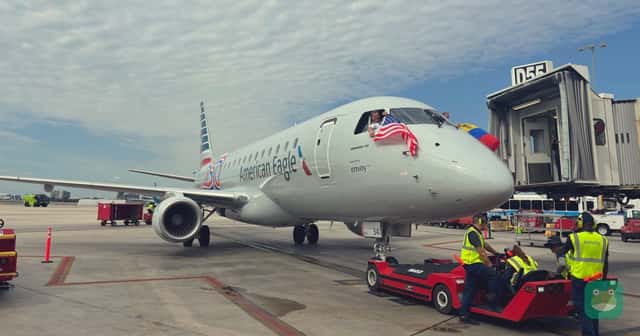
American moved fast. Flight 3599 left Miami for Caracas on April 30, the first nonstop between the US and Venezuela in seven years, according to American's newsroom. An Envoy-operated Embraer 175 flew the route, and a second daily flight was set for May 21.
United followed with an announcement on May 12 of daily Houston to Caracas flights, Airways Magazine reported. Those flights have not started yet.
The earthquakes
On June 24, two powerful earthquakes struck Venezuela. Reuters reported major damage in Caracas, and authorities closed Simón Bolívar International Airport in Maiquetía. Venezuela's official death toll later passed 6,000, the Miami Herald reported. Our thoughts are with the families who lost loved ones.
American suspended Caracas, capped fares on its remaining direct flights and allowed fee-free changes and refunds, the airline said. On July 2 it flew a Boeing 737 to Caracas carrying more than 9,000 pounds of relief supplies. On July 14 it launched daily Miami to Maracaibo flights, giving travelers another way into the country.
Caracas reopens in temporary terminals
Maiquetía reopened to commercial flights on September 1 using modular buildings set up after the quakes, Venezuela's transport ministry said. Transport minister Francisco Garcés said the temporary site would start at 25% of the airport's total capacity, according to the government's information ministry. The ministry said the plan is to restore 40% of operations in the original terminals by November and pass 60% combined capacity by the end of the year.
Arrive early. The ministry tells travelers to show up two hours before domestic flights and three hours before international ones.
Airlines come back
American returned to Caracas on September 3, Aviacionline reported. Other carriers followed.
- Turkish Airlines planned to resume Istanbul to Caracas on October 1, four times a week on the Boeing 787-9, Aviacionline reported.
- Avianca doubles Bogotá to Caracas to two daily flights starting today, October 25, Informe Aéreo reported.
- TAP Air Portugal resumes Lisbon to Caracas on October 27, twice weekly on the A330neo, Panorama reported. The return to Lisbon will make a temporary fuel stop in Guadeloupe.
- American restored its second daily Caracas flight on October 15, the Latin Times reported. It will also fly Miami to Barcelona, Venezuela from January.
- United pushed Houston to Caracas back twice. The first bookable flight is now January 12, 2027, AeroRoutes reported, and the date could still change.
Further out, ITA Airways plans Rome to Caracas from March 2027, and Qatar Airways is relaunching Doha to Caracas via Bogotá in November.
Timeline
- April 17: Federal Register notice confirms the 2019 US flight ban is rescinded.
- April 30: American's first Miami to Caracas flight in seven years.
- May 12: United announces Houston to Caracas.
- June 24: Twin earthquakes close Maiquetía.
- July 2: American flies relief supplies to Caracas.
- July 14: American starts Miami to Maracaibo.
- September 1: Maiquetía reopens in temporary terminals.
- September 3: American returns to Caracas.
- October 25: Avianca goes to two daily Bogotá flights.
- October 27: TAP returns from Lisbon.
What it means for you
Venezuela is easier to reach than it has been in years, but the main airport is still running in temporary buildings. Expect basic facilities and plan for delays. Leave extra time, keep your airline's app handy for schedule changes, and check the State Department's latest travel advice before you book.